
{{ f.index }}
{{ f.title }}
{{ f.body }}
Each module is engineered for one zone of the airframe. Buy the zone a squadron actually works on, or combine all five into the Full Wrap Maintenance Stand for 360-degree depot-level access.
Combines every structural access module into one integrated platform, delivering OSHA-compliant, 360-degree access for MRO, depot-level maintenance, and flight-line operations — custom-engineered to your fleet, hangar footprint, and MRO workflow.
A squadron running routine avionics inspections doesn't need the cost or hangar footprint of a Full Wrap stand; a depot handling comprehensive airframe maintenance does. That question is answered at the Requirements stage — before engineering begins.
Every module shares the same core engineering. Four features are standard on every configuration — not upgrades — and four more are specified per squadron.
The self-closing gate matters most exactly when a technician is moving quickly between tasks on a busy flight line — the scenario where a gate that has to be manually closed is most likely to be left open.
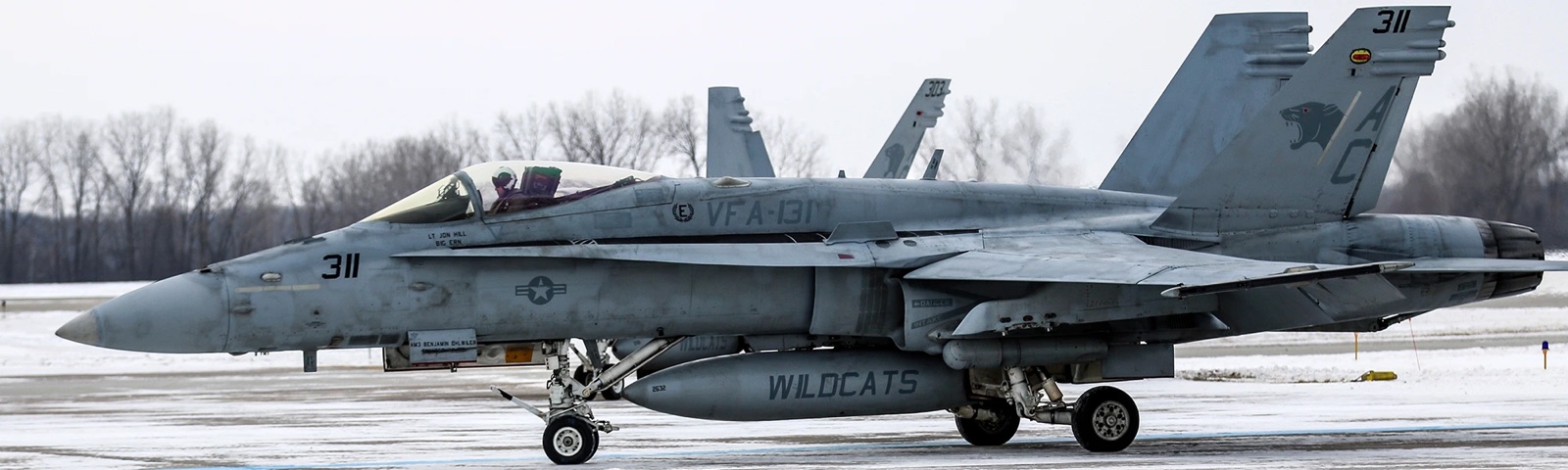
As a twin-engine, carrier-based strike fighter, the Super Hornet presents a larger airframe profile than the legacy Hornet it replaced or a single-engine platform like the F-16 — so platforms are sized to that footprint rather than adapted from equipment built for a different aircraft.
{{ f.body }}
Even when maintenance happens shore-side, Super Hornet squadrons rotate through deployment cycles that put real pressure on turnaround — so equipment requiring lengthy reconfiguration between tasks works against the operational tempo a front-line squadron runs on.
JE's confirmed Super Hornet program history is two installations — evidence the approach holds up outside a single home base. Where JE has not worked is stated plainly below rather than implied away.
The Royal Australian Air Force and Kuwait operate this aircraft; they appear here as context on the operator base, not as a claim of JE program history.
Three programmes documented in full, plus the wider aerospace resource library.
View all
Structural design and analysis happens in-house rather than being outsourced — the same team that engineers a platform's radome clearance or crown-height geometry validates it before manufacturing begins, which removes the handoff risk of splitting design and production across companies.
{{ q.answer }}