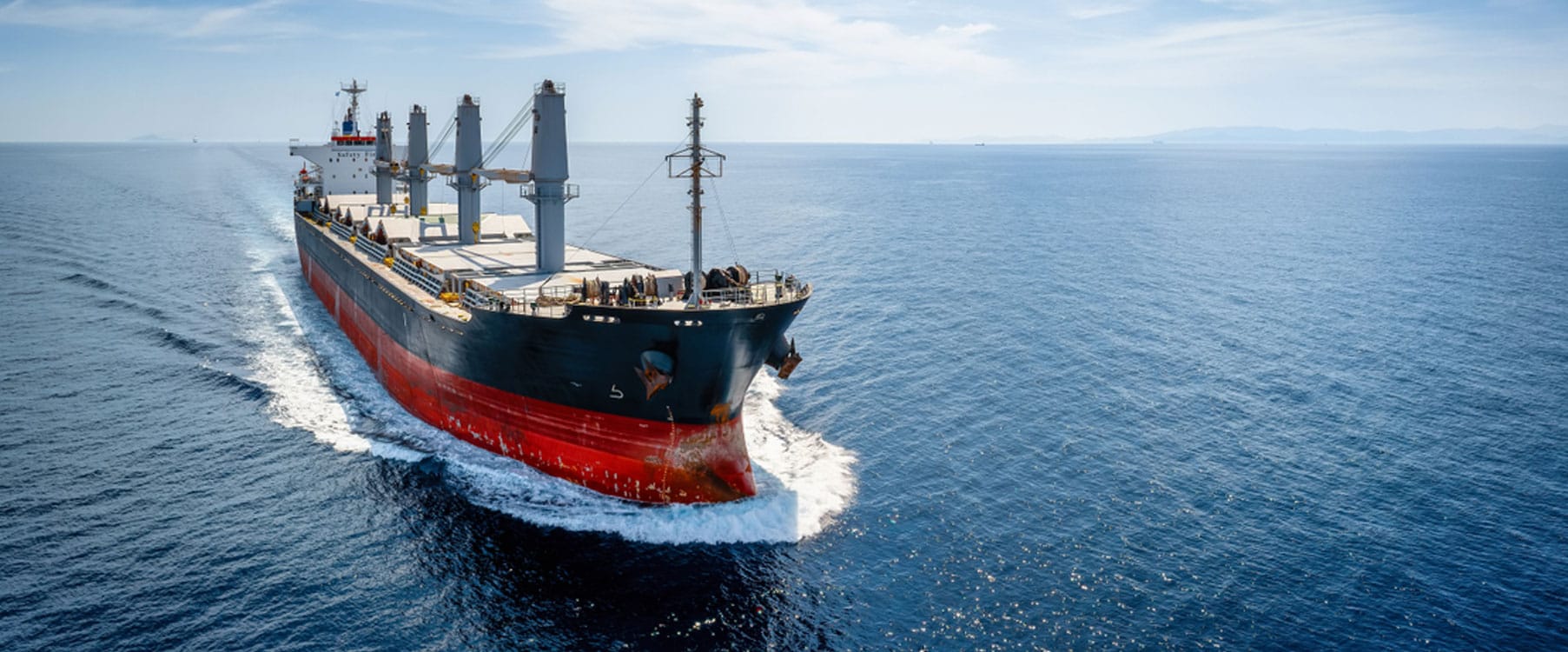

A Different Stage of a Vessel's Life Than Fleet Maintenance
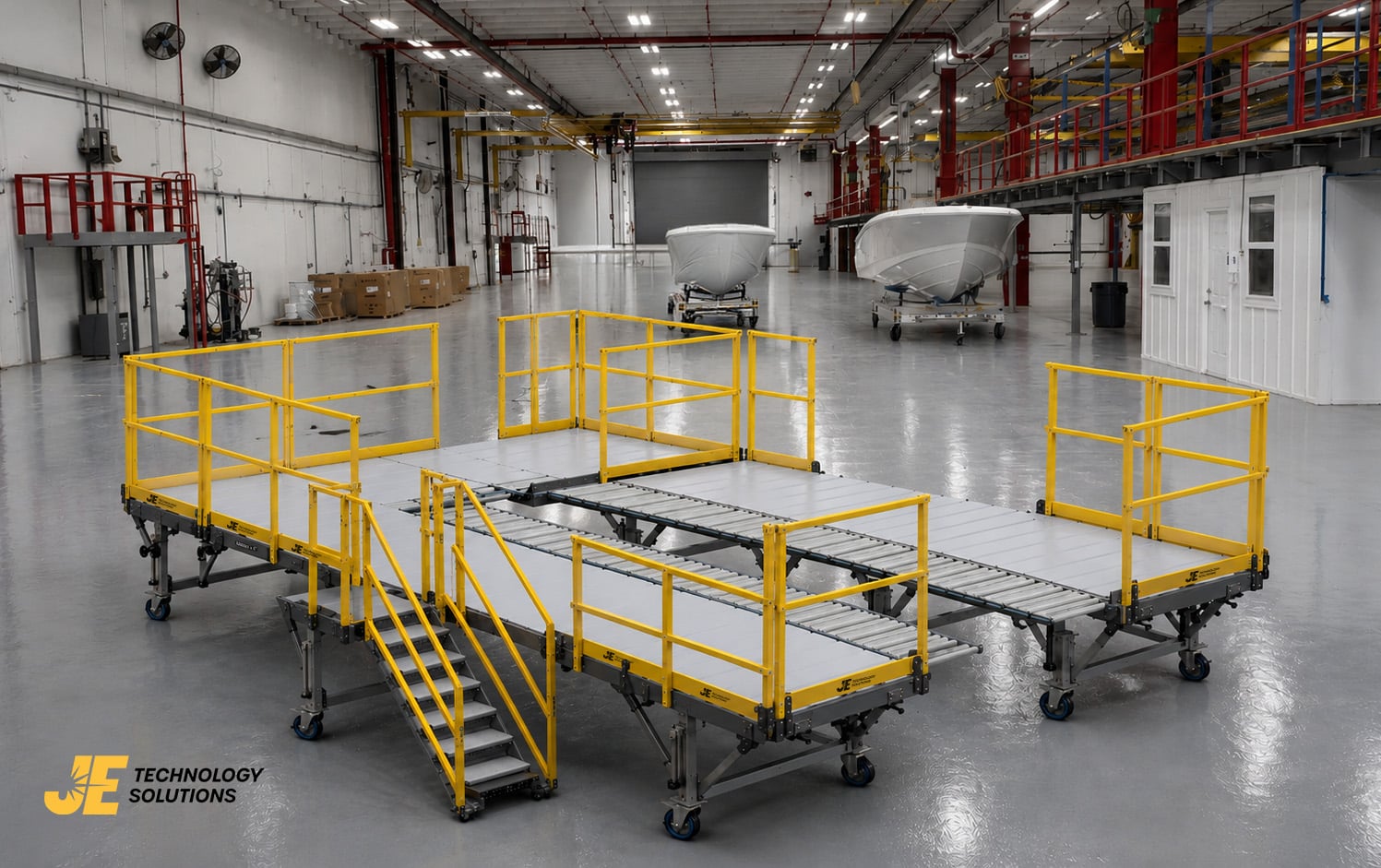
JE's HarborGuard line applies zero-contact protection to gelcoats and painted finishes on operational fleets. Shipbuilding is a different challenge entirely — access supporting new construction, before those finishes exist and while the structure is still being assembled.
Dry dock environments in particular demand equipment that adapts to a vessel's evolving structure as construction progresses.
What Makes Shipyard Construction Access Different From Fleet Maintenance?
Complex, changing vessel geometry as a hull is assembled, confined interior spaces during outfitting, and the scale and schedule pressure of new-build production — a different set of demands than servicing a vessel already complete and in active service.
Construction-stage access equipment also often needs to support heavier structural loads — large steel plates and sections during hull assembly — and adapt quickly as a ship's shape develops, rather than fitting a single, finished vessel geometry the way in-service maintenance equipment does.
How Does JE Approach a Shipyard Construction Access Project?
JE applies its structural engineering discipline — the same dead load, live load, and environmental stress analysis used across its custom-engineered structures — to the specific demands of a shipyard construction environment, where equipment must adapt to a vessel's evolving geometry throughout the build.
Which stage the project supports decides what the equipment has to be.
Custom Engineering for Shipbuilding Applications
JE's shipbuilding-stage equipment draws on the same corrosion-resistant materials and structural rigidity discipline proven in HarborGuard, adapted to the different structural and scheduling demands of new vessel construction.

Where JE Excels
JE's structural engineering and corrosion-resistant materials discipline, proven across in-service marine fleet maintenance, extends to the different structural and scheduling demands of shipyard construction work.
{{ a.title }}
{{ a.body }}
Related Resources
A vessel has two halves to its life. These are the pages covering the other one, and the engineering disciplines this page draws on.
Frequently Asked Questions
{{ q.question }}
{{ q.answer }}