
{{ e.index }}
{{ e.title }}
{{ e.body }}
OSHA requires fall protection whenever workers are exposed to a fall of six feet or more, with the required system depending on the type of work being performed — guardrails, safety nets, or personal fall arrest systems, depending on the situation.
The minimum requirements — guardrail height, force resistance, and when a system is required at all.
OSHA's guardrail standard specifically requires a top rail height of 42 inches (plus or minus 3 inches) and the ability to withstand at least 200 pounds of force applied outward or downward.
The consensus engineering standards that go further — structural performance and platform design.
Not always legally mandated, but the engineering benchmark that industries like oil and gas, chemical processing, and marine operations frequently build into their internal safety requirements.
JE Technology Solutions engineers custom guardrail and fall protection systems designed to exceed minimum OSHA force thresholds, using reinforced connections and validated material strength rather than building to the minimum standard and hoping it holds.
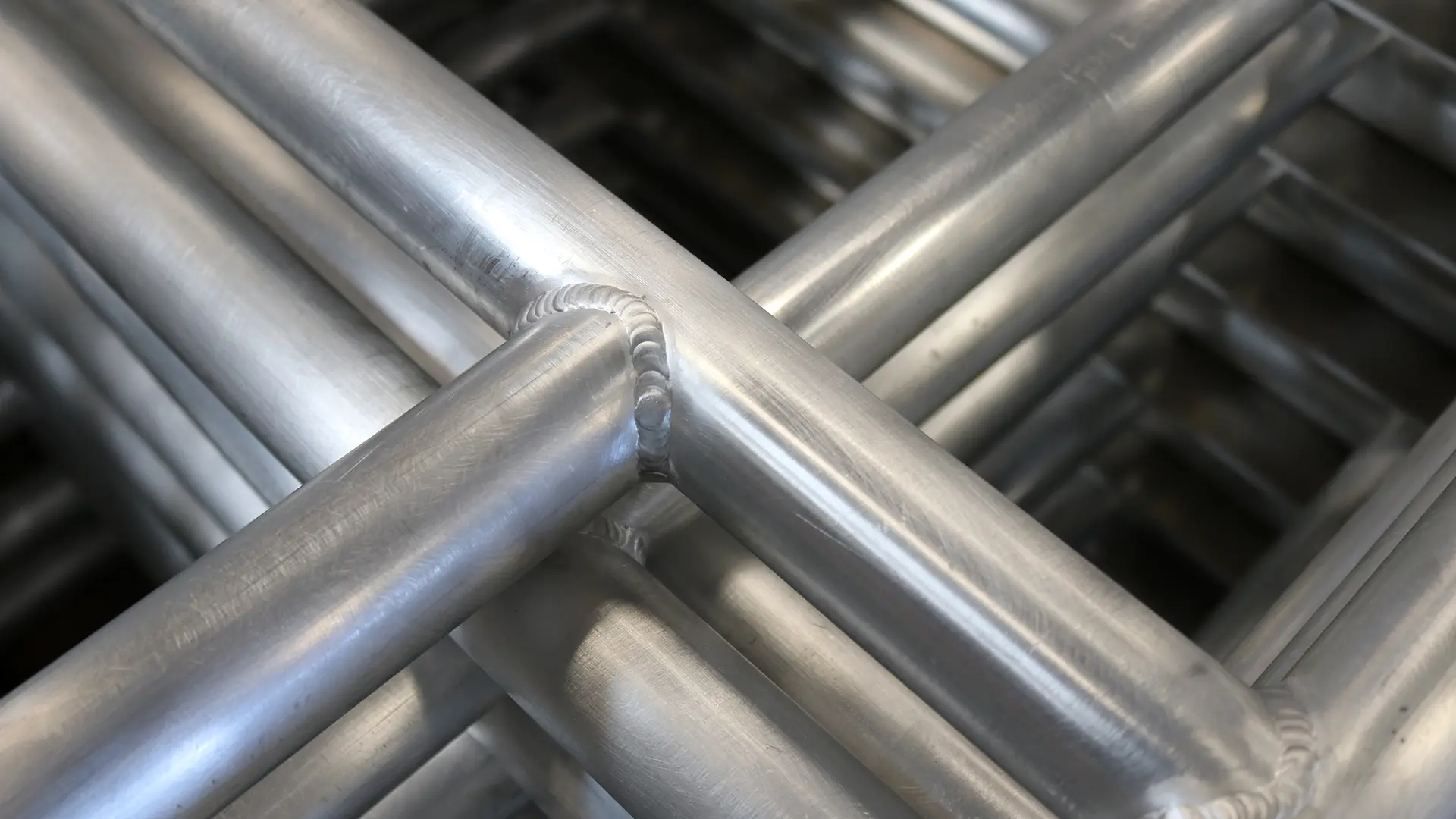
Failure in the field usually isn't a design failure on paper — it's a connection or weld that wasn't reinforced for real-world use.
Improperly welded or inadequately reinforced guardrails are a common point of failure under force testing, which is why JE's approach is to engineer past the minimum threshold rather than to it.
{{ s.body }}
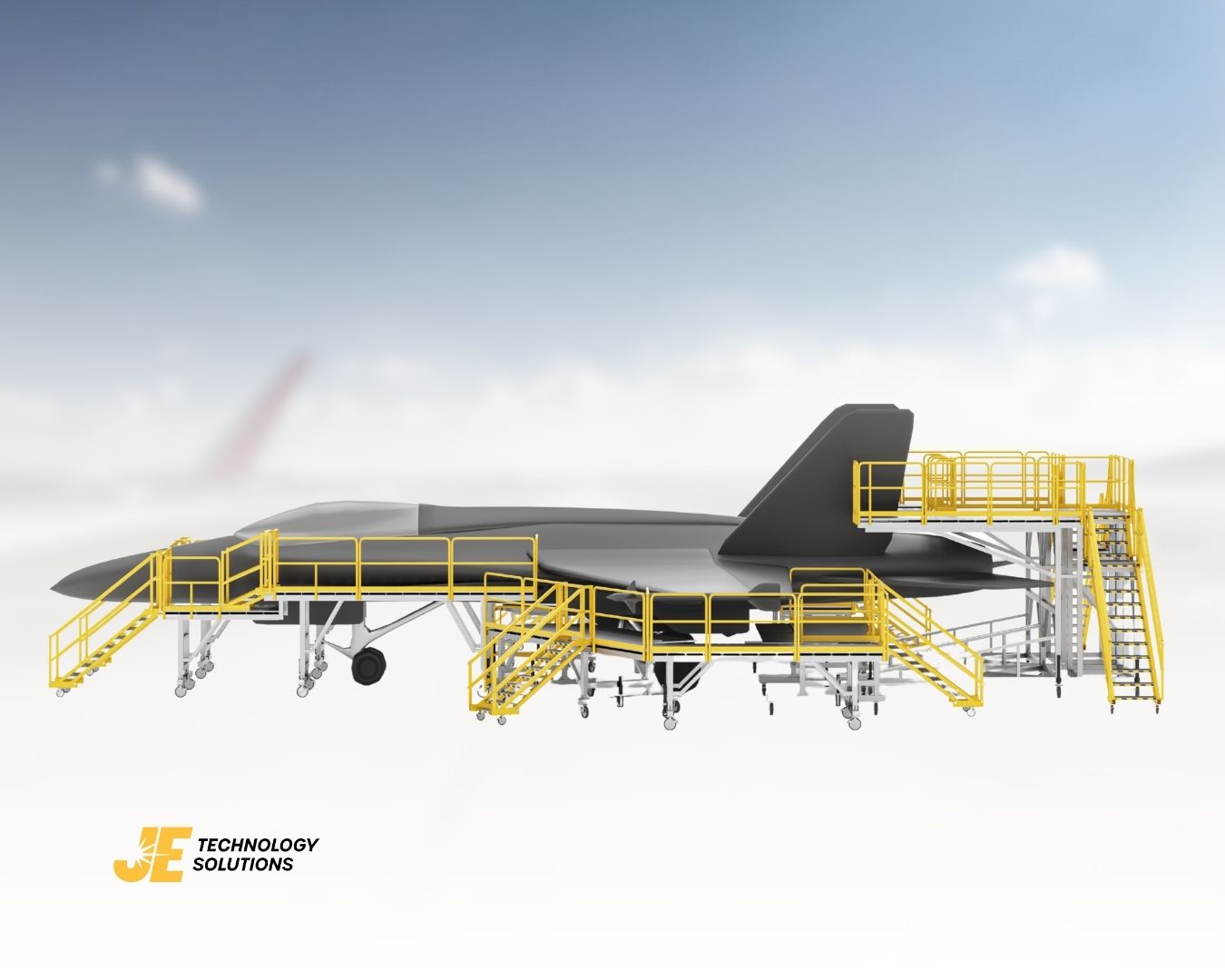
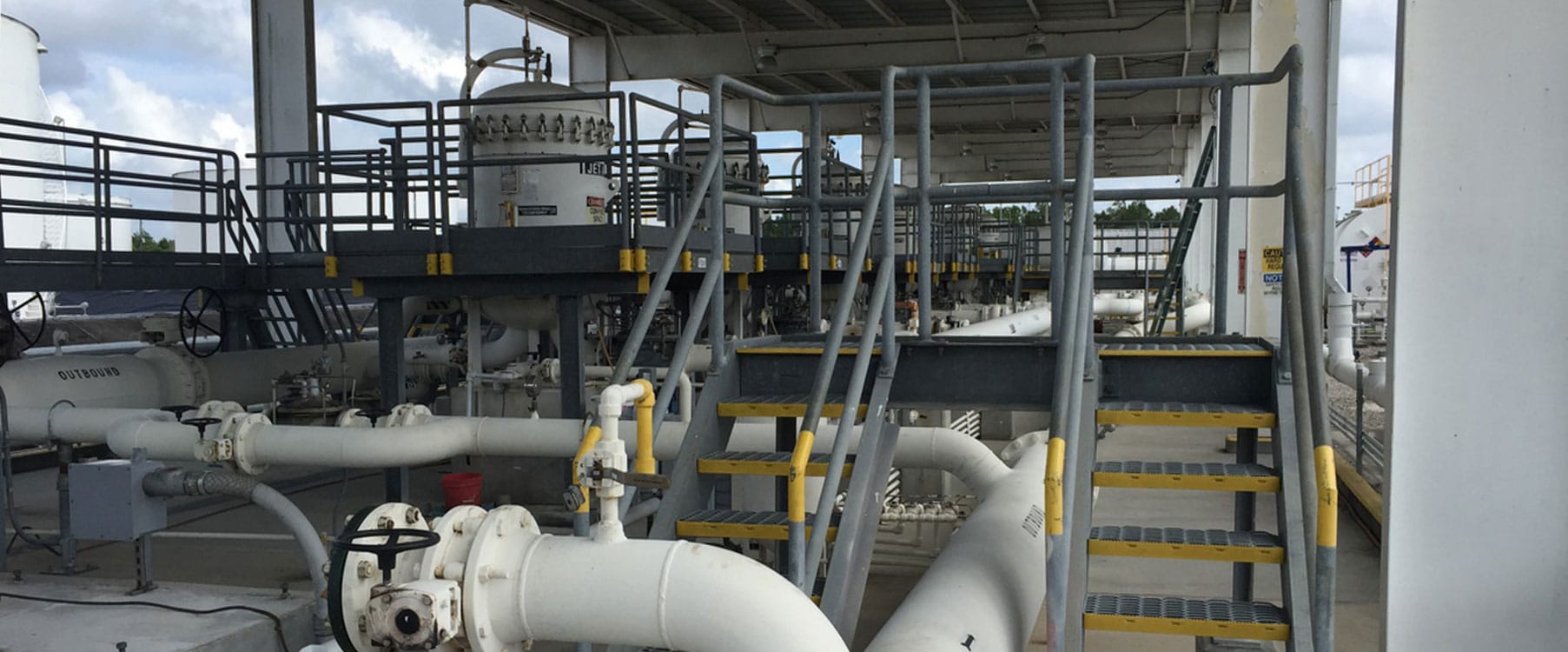
Fall protection is a requirement everywhere workers operate at height or near hazardous equipment — aircraft maintenance platforms, industrial gangways, rooftop access, and elevated work platforms across aerospace, marine, rail, and general industrial facilities.
{{ e.body }}
JE Technology Solutions positions itself as a leading provider of industrial gangway and fall protection systems, engineering connections and material strength to exceed minimum force thresholds rather than designing to the legal floor.
{{ a.body }}
Every route below leads to equipment engineered around the same principle described on this page — guardrail and gangway systems designed to exceed minimum OSHA and ANSI force thresholds, not just clear the legal floor.

JE's fall protection engineering has supported both Navy aircraft maintenance operations and deployable maintenance platforms — evidence that the same engineering discipline applies whether the system is fixed to a facility or built to move with the mission.
{{ q.answer }}
{{ sy.text }}
JE's systems are typically engineered around passive prevention and restraint, which are inherently safer than relying on arrest.