
{{ a.index }}
{{ a.title }}
{{ a.body }}
Six purpose-built access solutions — five module-specific platforms covering every structural zone of the airframe, plus a Full Wrap Maintenance Stand combining all of them into one integrated, 360-degree system.
Every module shares the same core engineering: a steel frame for high-traffic MRO and depot crew loads, powered or hand-crank height adjustment, OSHA/ANSI-compliant guardrails with self-closing gates, non-slip aluminum decking, and locking swivel-mount casters for repositioning around large transport airframes.
Individual modules can be configured with optional integrated stairs or ramp connections to adjacent GSE modules — so a facility can link stations into one coordinated depot setup rather than treating each platform as isolated equipment.
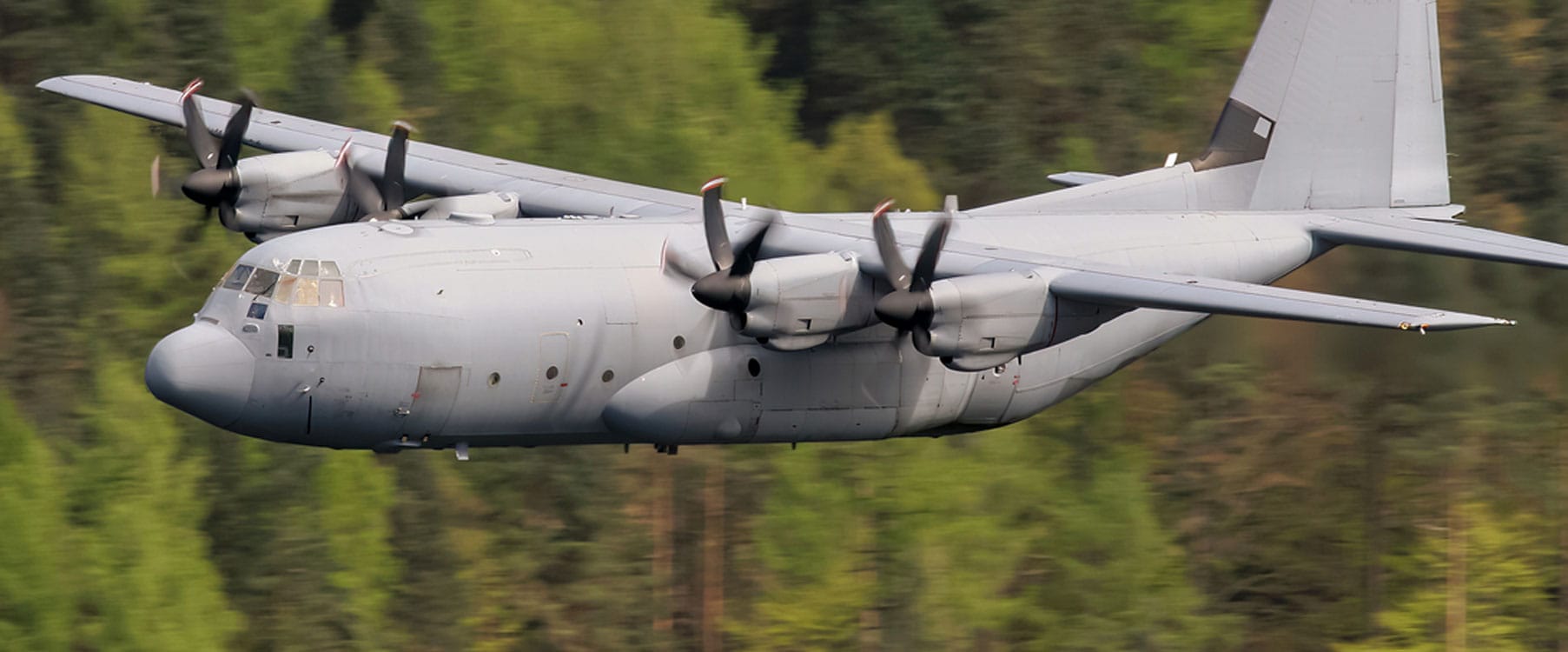
The C-130 is substantially larger than the fighters JE also builds for, and it shows in the engineering. Every difference below is a consequence of size and depot-level workload, not a product upgrade.
The Hercules has been in continuous service for decades, so a real C-130 fleet is rarely made up of identical aircraft — different tail numbers carry different modification histories, equipment fits, and structural details. That variability is why the engineering starts from the specific aircraft in front of the team.
The four-engine configuration creates requirements a two-engine aircraft doesn't face. Engine changes in particular need equipment engineered around the logistics of removing, transporting and reinstalling a large turboprop — which JE has built and delivered.
JE applies its standard six-stage process, sizing every platform to the aircraft's actual four-engine turboprop profile and depot workload rather than scaling up equipment built for a smaller aircraft.
{{ s.body }}
Because C-130 platforms are frequently configured to a specific tail number or variant rather than a general aircraft type, the Requirements stage carries even more weight here — getting the load rating and dimensions right for that specific aircraft is what makes the platform usable on day one.
Structural design and analysis happens in-house — the same team engineering a platform's load rating for a specific tail number is responsible for validating it before manufacturing begins.
Steel construction, powered height adjustment and swivel-mount casters exist specifically because the C-130 is bigger and sees harder depot use — not a one-size-fits-all line relabelled for a larger airframe.
{{ a.body }}
{{ q.answer }}