

{{ w.index }}
{{ w.title }}
{{ w.body }}
Controlled by
{{ w.control }}
Each of the four processes constrains the ones after it. Run them out of order and the damage is not a delay — it is scrap, or a part that passes inspection and fails in service. This is why JE evaluates downstream requirements before defining any production approach.
A fabrication quote is a decision about order, not just a list of operations.
Which is why the drawing matters less than the finished part's requirements. Tell us what the part has to survive and where it has to fit, and the route through the shop follows from that.
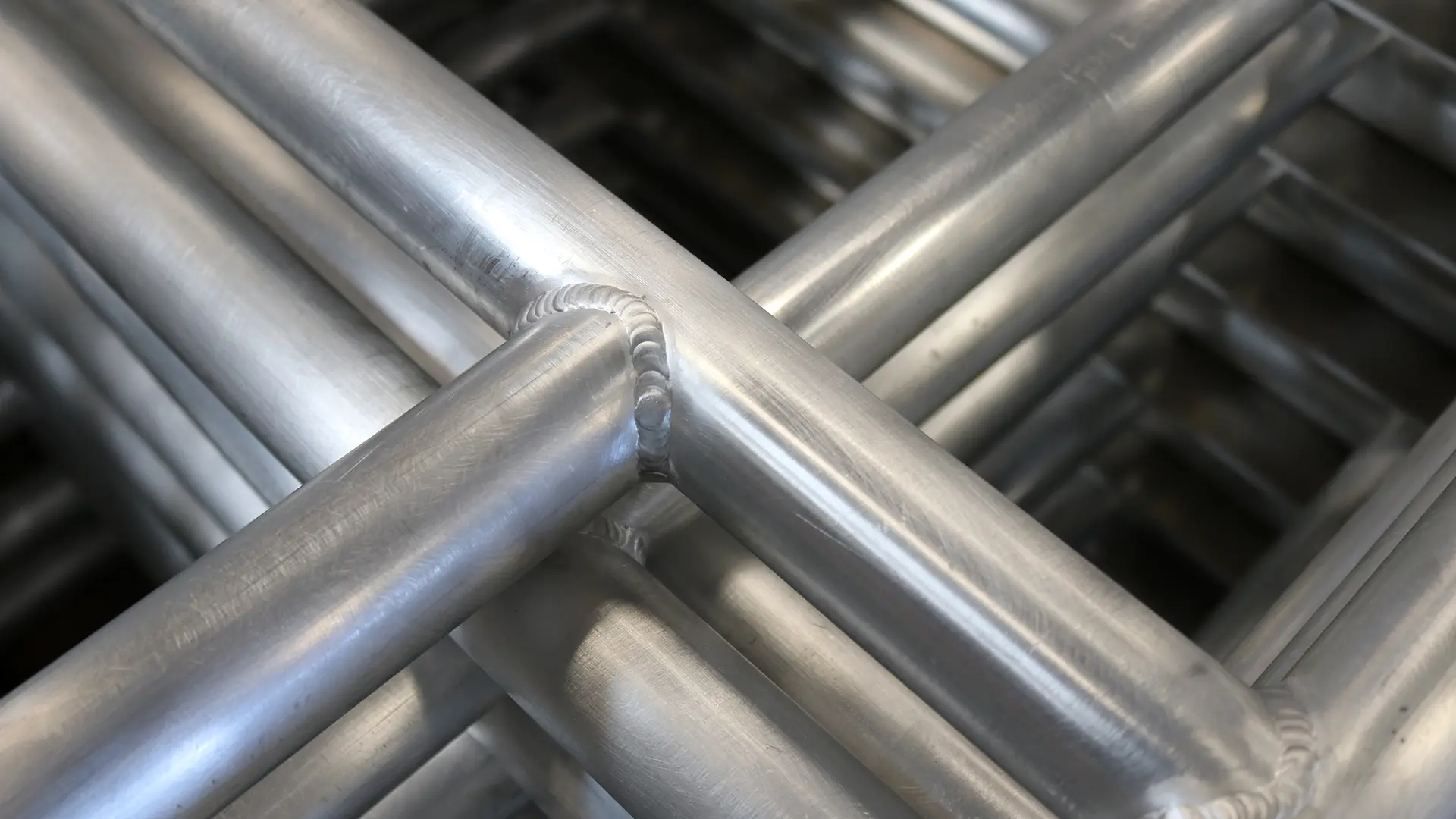
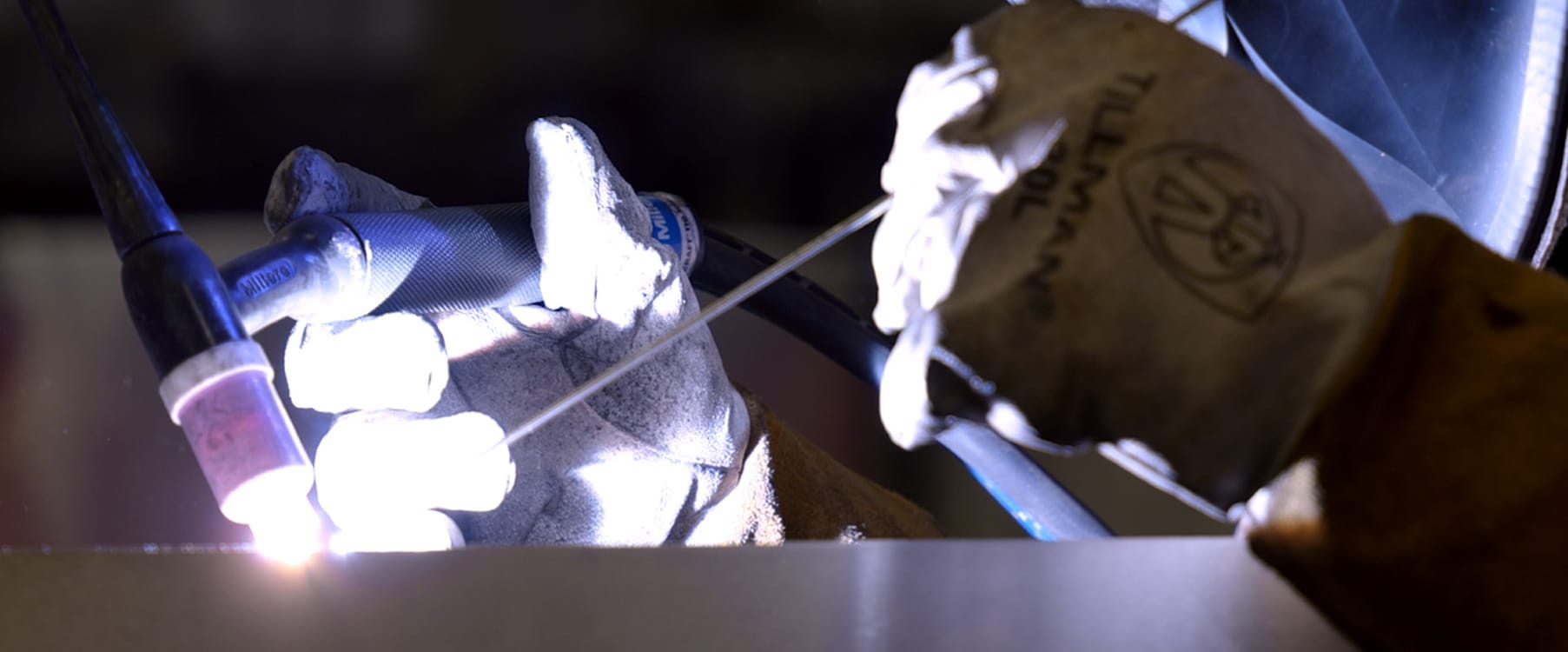
A formed part can be re-formed. A finish can be stripped and reapplied. A weld is permanent, and it changes the metal around it — which is why AWS-certified welders and process control matter more here than at any other station.
{{ w.body }}
The four processes above sit at stage three. Each stage produces something specific, and the approved scope decides which of them JE runs.
{{ l.body }}
Three programmes where the fabrication sequence decided the outcome — a build-to-print pair, a finish-critical booth, and a nacelle fixture.
{{ q.answer }}